
Miguel Bonneville
Miguel Bonneville | retrospective 2004 — 2025 ‘Did you miss me?’
-
Booking: €
Miguel Bonneville has made music, videos, and presented performances and shows in a wide variety of national and international contexts, exhibiting drawings, paintings, and photography in galleries, museums, bookstores, and other unconventional spaces. For various reasons, in the year he would have celebrated twenty years of work, he took a step back and withdrew. The party never happened.
The story could end here. In Miguel Bonneville’s case, Teatro Praga proposes to change the course of events, not so much to celebrate, but rather to remember and resist. Recognizing the importance of his fictional work based on autobiographical assumptions, as well as the plurality of forms through which it materializes, Teatro Praga, in partnership with the companies Cão Solteiro and Plataforma 285, invited the artist to be the Artista do Bairro 2025 from September 29 to November 8 and to do an artistic and creative residency at the Teatro Cão Solteiro and at Rua das Gaivotas 6. [more information about the Artista no Bairro 2025 program here]
In parallel with the Artista no Bairro program, this October we are hosting the retrospective ‘Did you miss me?’. This includes various activities, such as the occupation of Rua das Gaivotas 6 by Teatro Praga with an exhibition of various works by Miguel Bonneville, created between 2009 and 2022, which can be seen between October 14 and 25.
On the opening day, a book will also be launched as part of the company’s editorial project in partnership with Sistema Solar, bringing together texts written and created for the project A importância de ser (The Importance of Being), conceived by Miguel Bonneville between 2013 and 2022. It is also worth mentioning that on October 17, at the Folio Festival in Óbidos, there will be a second launch of this same book.
In addition, in partnership with the Temps d’Images Festival, Teatro Praga will present three reenactments of three performance works by the same artist at Rua das Gaivotas 6: teatro #2, from 2005, by Cláudia Jardim; mb #6, from 2008, by Diogo Bento; mb #6, from 2018, by André e. Teodósio. These performances, each lasting about an hour, will be presented from October 15 to 25: Wednesday, Thursday, and Friday at 8 p.m. On Saturdays, the performances begin at 5 p.m., as all three will be presented consecutively on the same day.
Finally, on October 20, in the late afternoon, Miguel Bonneville will present his Menu de Artista proposal, in another section of Rua das Gaivotas 6, where he will talk about art and delicacies.
In addition to these activities programmed by Teatro Praga / Rua das Gaivotas 6, you will soon find more programming from this cycle on the Festival Temps d’Images channels, which in Moment II of its 2025 edition will feature another exhibition of Bonneville’s audiovisual works, a conference-performance, and a DJ set.
In the end, if we survive, there may be a party. If not, at least other stories have been written and made.

Retrospective exhibition
‘Did you miss me?’
14 — 25 oct
Opening: 14 oct, 6PM
+ book launch ‘A importância de ser – antologia‘
Visiting times: tue—sat. | 3 — 7PM
— Free entrance
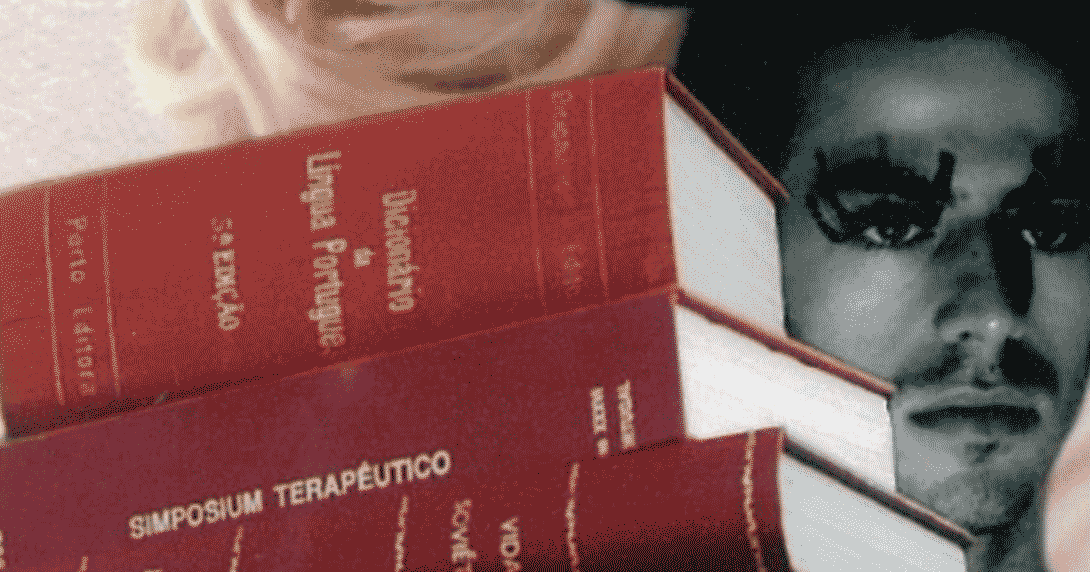
This retrospective exhibition brings together works presented in various solo and group exhibitions between 2009 and 2025. Covering various formats and languages—such as drawing, photography, collage, and ceramics—these pieces belong to both private collections and the artist’s personal archive.
Exhibitions:
family project – abuse (2009)
a collection of self-portraits (2010)
morgue (2012)
when this kind of fire starts (2013)
ilha (2013)
o fim e o rapto (2014)
não sou um homem, sou uma montanha (2015)
family project – ensaios de santidade (2019)
pacto (2022)
agonia no jardim (2025)
Book launch
‘A importâcia de ser – antologia‘
14 oct, 6PM
Rua das Gaivotas 6, Lisboa
17 oct
Festival Fólio, Óbidos
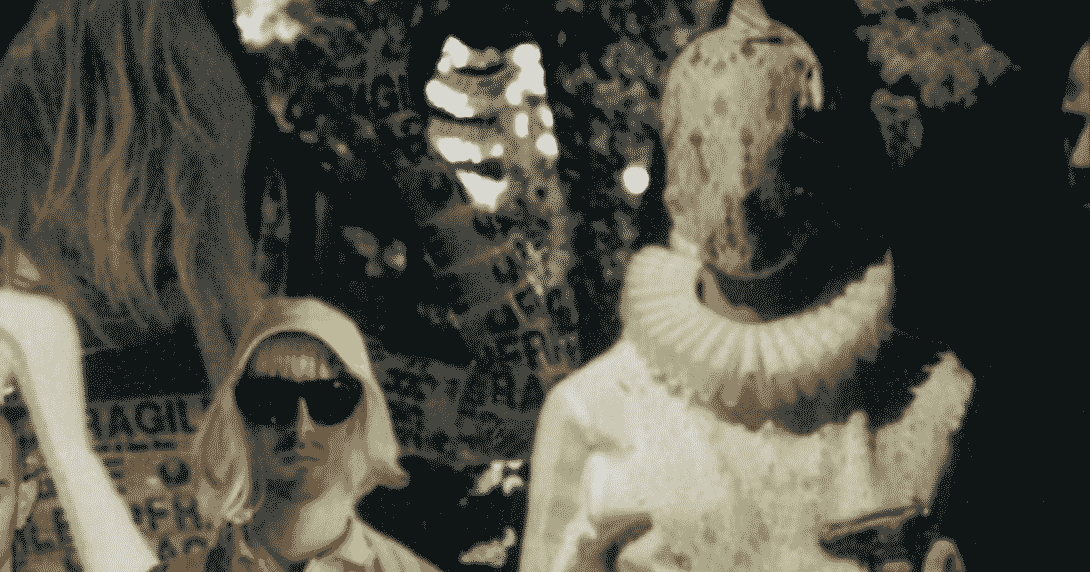
“The Importance of Being” was a serial and multidisciplinary project developed between 2012 and 2022, which took as its starting point the lives and works of artists and thinkers whose influence has been fundamental throughout my personal and artistic journey. For ten years, I devoted myself to researching figures such as António de Macedo (2012-2013), Simone de Beauvoir (2013-2014), Agustina Bessa-Luís (2014-2016), Paul B. Preciado (2016-2017), Georges Bataille (2018 -2019), Alan Turing (2019-2020), and Marguerite Duras (2021-2022) – establishing deep connections with each of them, integrating their philosophies, their thoughts, methods of creation, and ways of navigating the world, offering creative, and inevitably subjective, perspectives on their legacies.
I effortlessly dissolved into their respective universes. Suddenly, I was part of them. And it was from this awareness that I began to develop this series.
Now that I was part of their universes, the next steps were intuitive; like a method actor, I conducted detailed and obsessive research, seeking to immerse myself as fully as possible in their lives – not with the aim of constructing realistic characters or narrating their biographies, but of allowing their existences to overflow through my body. For me, the body is as much molecules, cells, flesh, bones, hair, fluids, as it is paper, fabric, ink, plastic, lights, moving images…
These figures are united by the creation of their own rules and their resistance to conventionalism within societies that, despite promoting themselves as champions of equality, freedom, and fraternity, have remained repressive, punitive, and restrictive to this day.
The texts gathered here begin with the third work in the series, The Importance of Being Agustina Bessa-Luís, since for the first, The Importance of Being Macedo, I used texts that were appropriations of other texts. In other words, texts that were not written from scratch. And for that very reason, I thought they would be out of place in this book. With The Importance of Being Simone de Beauvoir, the second work in the series, I chose not to use the word, and so I did not write during the creative process. It was from The Importance of Being Paul B. Preciado that I began to publish artist’s editions—books that give access to part of my research, quotes, appropriations, processes, thoughts, feelings, images. Texts to be read aloud, diary essays, essayistic diaries, immersions in the vast territories of strangers who became close friends.
in addition to bringing together previously published texts, this book also includes unpublished texts – such as those written for The Importance of Being Augustina Bessa-Luís, in partnership with creators Diogo Bento and Tiago Vieira, as well as others written for performances, conferences, and magazines.
I also decided to add technical listings of the works to the texts, which serve as evidence of all the people involved in their creation, without whom it would not have been possible to make them. They can also serve as a reminder that all the presentation formats I use are interconnected, inform each other, and are part of a whole, although they can be enjoyed separately.
Peformance reenactments
by Teatro Praga
(co-prod. Temps d’Images Festival)
15 — 25 oct
Tickets soon
Wed 15 › 8PM – teatro #2, de 2005, por Cláudia Jardim
Thu 16 › 8PM – mb #6, de 2008, por Diogo Bento
Fri 17 › 8PM – mb #6, de 2018 por André e. Teodósio
+
Sat, 18 › 5PM – teatro #2, de 2005, por Cláudia Jardim; 6.15PM– mb #6, de 2008, por Diogo Bento; 7.45PM – mb #6, de 2018 por André e. Teodósio
Wed, 22 › 8PM – mb #6, de 2018 por André e. Teodósio
Thu, 23 › 8PM – teatro #2, de 2005, por Cláudia Jardim
Fri, 24 › 8PM – mb #6, de 2008, por Diogo Bento
+
Sat, 25 › 5PM – mb #6, de 2018 por André e. Teodósio; 6.40PM – mb #6, de 2008, por Diogo Bento; 8.15PM – teatro #2, de 2005, por Cláudia Jardim
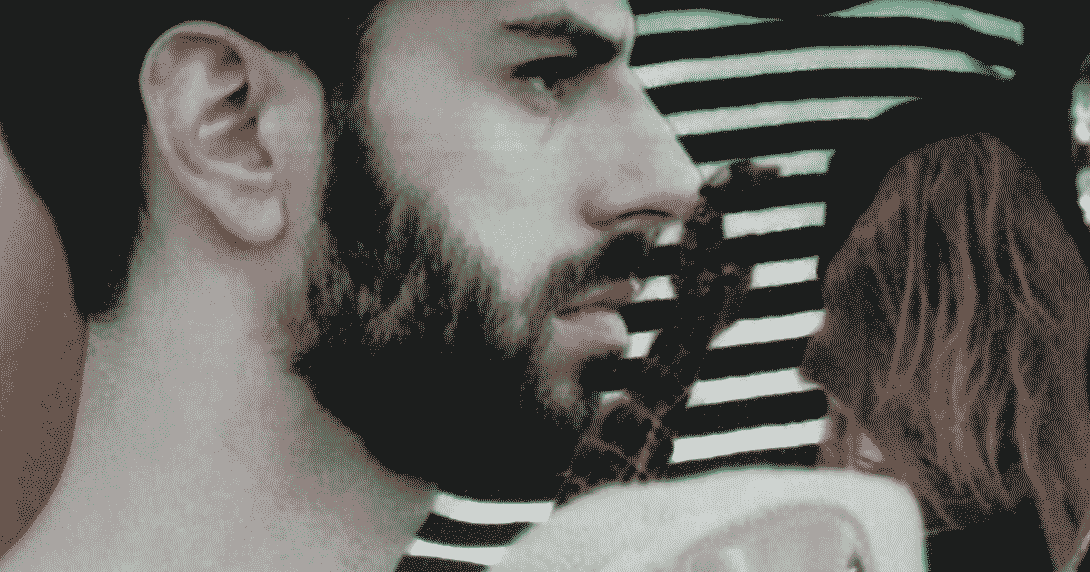
teatro #2 (2005)
reenacted by Cláudia Jardim
preface is the title Bonneville gave to a series of performances staged between 2003 and 2006. These performances, almost always unique, did not require rehearsals and assumed a raw and unfinished aesthetic. Bonneville considers this series a preface to his later work, serving as an introduction to his artistic language.
In this performance, as in Study for a Manifesto (presented in May of the same year), Bonneville decided to base his work on improvisation. He was inspired by his ideas about what theater was and what it meant to be an actor before he entered drama school—he saw both as a process anchored in documentary exploration, where the actor played himself rather than creating a character. In theater #2, Bonneville improvised for an hour—the length of a miniDV cassette—in front of a camera in nightshot mode, while the audience watched the footage being projected in real time.
mb#6
m̶i̶g̶u̶e̶l̶ bonneville series (2006-2012) — a set of autobiographical and allegorical performances that explore the complexities of personal narratives. like chapters in a book, each of its nine parts (from #1 to #9) addresses themes such as love, loss, identity, survival, death, and transformation. between personal investigations into family dynamics and broader questions about social norms and gender roles, the series offers a simultaneously personal and fictional look at what shapes us, through a profound inquiry into identity, emotional relationships, and individual journeys.
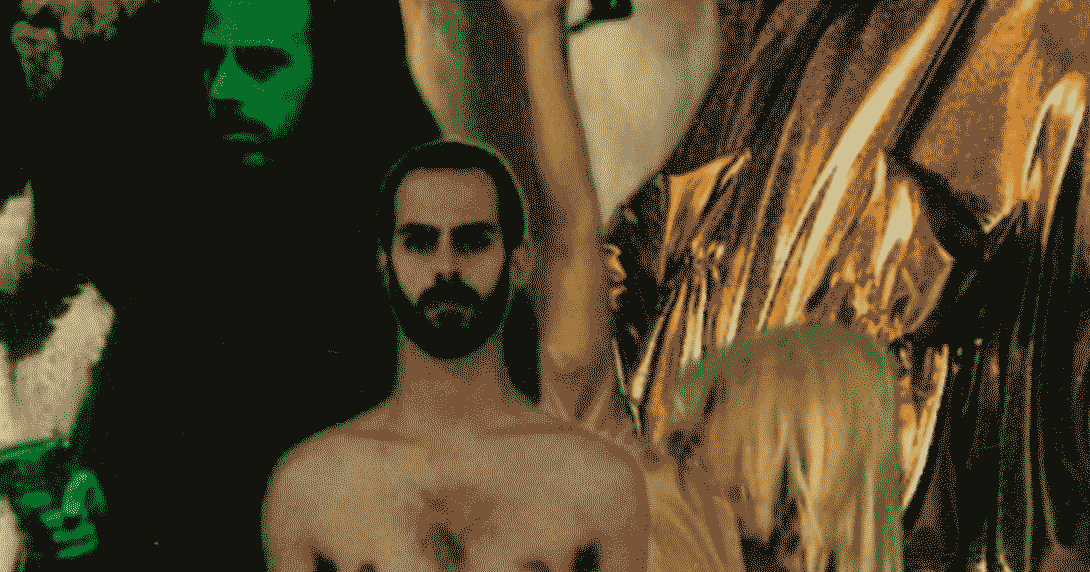
mb#6 offers an autobiographical immersion focused on questions of identity and friendship. bonneville collaborated with several women who have marked her personal and artistic journey, inviting them to share their stories in the form of video portraits—reflecting on what it means to be a woman, an adult, and an artist. on stage, bonneville doubles these testimonies live, creating a collective portrait that seeks to transcend the idea of individuality. A decade after its premiere, Bonneville returned to present the performance in a new version in 2018.
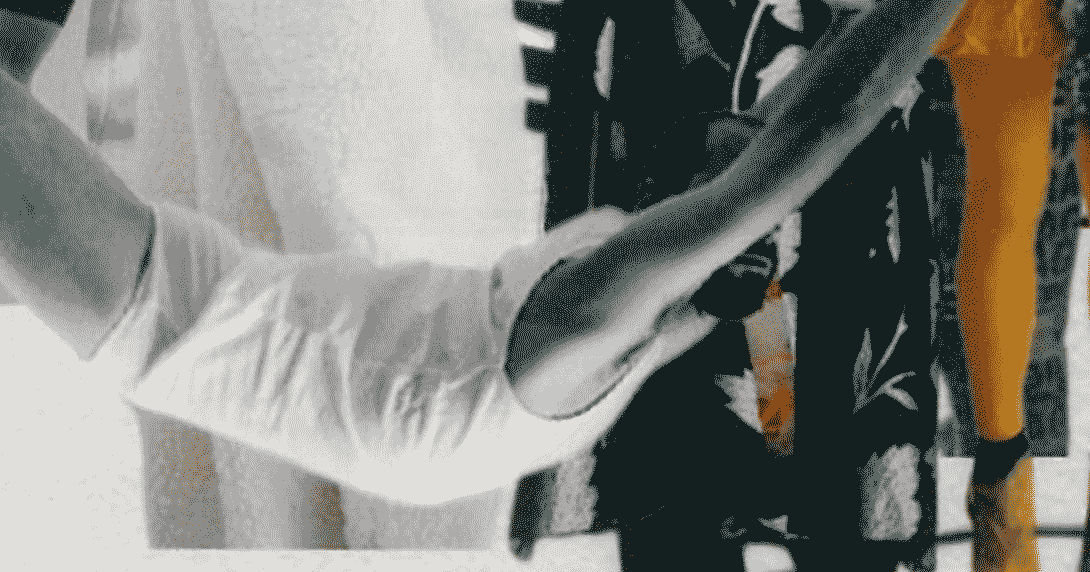
mb#6 (2008)
reenacted by Diogo Bento
co-creation: sofia arriscado, joana craveiro, joana linda, rita só, cláudia varejão, sara vaz.
in the first version of the performance, bonneville interviewed six women who had several things in common, in particular an autobiographical approach to art. this affinity became one of the central focuses of the performance, along with questions about childhood, life experiences, perspectives on feminism, religion, and death.
mb#6 (2018)
reenacted by André e. Teodósio
co-creation: Isadora Alves, Joana Craveiro, Isabela Figueiredo, Maria Gil, Carlota Lagido, Joana Linda, Mariana Sá Nogueira, Rita Só, Cláudia Varejão, Sara Vaz.
in the 2018 version, bonneville interviewed five of the six women who participated in the previous version, adding five new interviewees. the same presentation format was maintained: video portraits with live dubbing, unified under a single voice. the performance revisited themes such as identity, biography, and intimacy, broadening the focus to themes such as love, fear, and death.
Miguel Bonneville (Porto, 1985): transdisciplinary artist who creates autofictional works centered on the deconstruction and reconstruction of identity, exploring questions of gender, death, and spirituality. His work combines multiple artistic languages, including writing, music, video, and performance. Since 2003, he has presented his work nationally and internationally, especially the serial projects Family Project, Miguel Bonneville, and The Importance of Being.
He received the Rede Ex Aequo Prize (2015) for the performances Fear and Feminisms, in collaboration with Maria Gil, and The Importance of Being Simone de Beauvoir.
He studied Acting at the Academia Contemporânea do Espectáculo (2000-2003), complementing his studies with courses in: Visual Arts at the Calouste Gulbenkian Foundation / Creativity and Artistic Creation Program (2006), Autobiographies, Life Stories and Artists’ Lives at CIES-ISCTE (2008), Archive – Organization and Maintenance at Citeforma (2013), Cyborgs, Sex and Society at FCSH (2016), and Philosophy and Art at Mute (2017), among others.
He received grants from the Calouste Gulbenkian Foundation, the Centro Nacional da Cultura – Jovens Criadores, the Funchal City Council – Artistic Creation/Writing Grant, and the Culture Moves Europe program.
He was part of the Artistic Direction of Teatro do Silêncio (2018-2023), and of the group of artists represented by Galeria 3+1 Arte Contemporânea (2009-2013) and by the contemporary dance structure Eira (2004-2006).
He made films and videos such as Camera Obscura (2023), Um medo com duas grandes faces (2022), Traça (2016), A landscape of failure (2008), among others. He also received funding from the ICA’s Screenwriting and Cinematographic Works Development Support (2021) to develop the script of his original idea for a feature-length fiction film, Landscape with Yellow Birds (2021-2023), produced by Cedro Plátano.
He published the books: The Diaries of C.C. Rausch (Corpos Editora, 2006), Essays on Holiness (Sr. Teste, 2021), The Personal is Political (Douda Correria, 2021), The Book of Daniel and Other Texts (Urutau, 2024); as well as the artist editions Jérôme, Olivier et moi (Homesession, 2008), Notes of a Suicidal Primate (2017), and, with Teatro do Silêncio, Dissection of a Swan (2018), Lament of the Cyborg (2021), Recovering the Body (2021), and Darkroom (2022).
He contributed various texts to Portuguese magazines Flanzine, WrongWrong, Dobra, Cine Qua Non, and Faces de Eva, as well as to the Brazilian magazine Periódicus, among other publications.
He was an artist-in-residence at Sítio das Artes, CAMJAP/Calouste Gulbenkian Foundation (Lisbon, 2007), Homesession (Barcelona, 2008), Mugatxoan/Fundação de Serralves (Porto, 2010), Festival Transeuropa2012 (Hildesheim, 2012), Arts Printing House (Vilnius, 2013), Arte y Desarrollo (Madrid, 2014), and La Box (Bourges, 2018), among others.
The Artista no Bairro program, launched in 2018 by Rua das Gaivotas 6, Teatro Cão Solteiro, and Plataforma285, aims to contribute to increasing the visibility of creators through a €4,500 grant and a month-long residency shared between Cão Solteiro and Rua das Gaivotas 6, as well as expanding the reach of artistic activity produced in the geographical area where these three structures are located.
Artista no Bairro has already supported creators such as Daniel Pizamiglio and Romain Beltrão Teule, Batata, Maurícia | Neves, Ana Libório, Tita Maravilha, Truta no Buraco, and Natacha Campos.